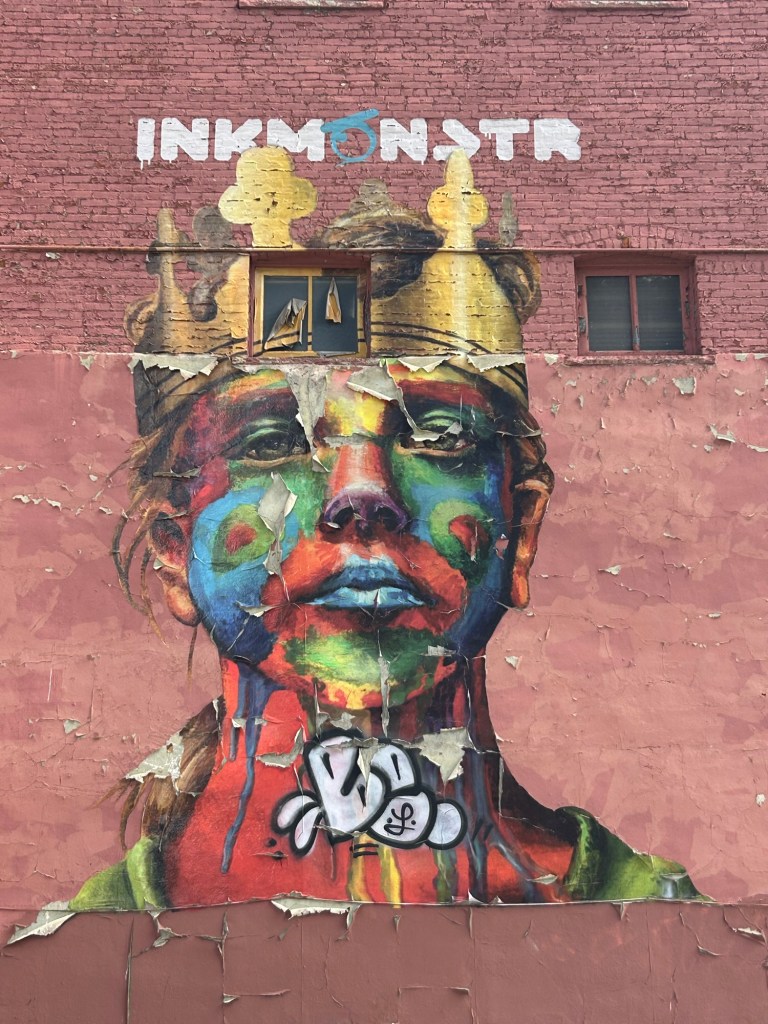

New York City, 2015. A city founded on experimentation and raw energy, is being enveloped by gentrification. Downtown Manhattan, home to the bohemian spirit that built this city’s monumental art scene, is slowly being eviscerated by high rents and corporate creep.
The scene is moving to Brooklyn — first Williamsburg, which then itself succumbs to the gentrification club. And then on to Bushwick and the like. Where artists are congregating in more experimental spaces.
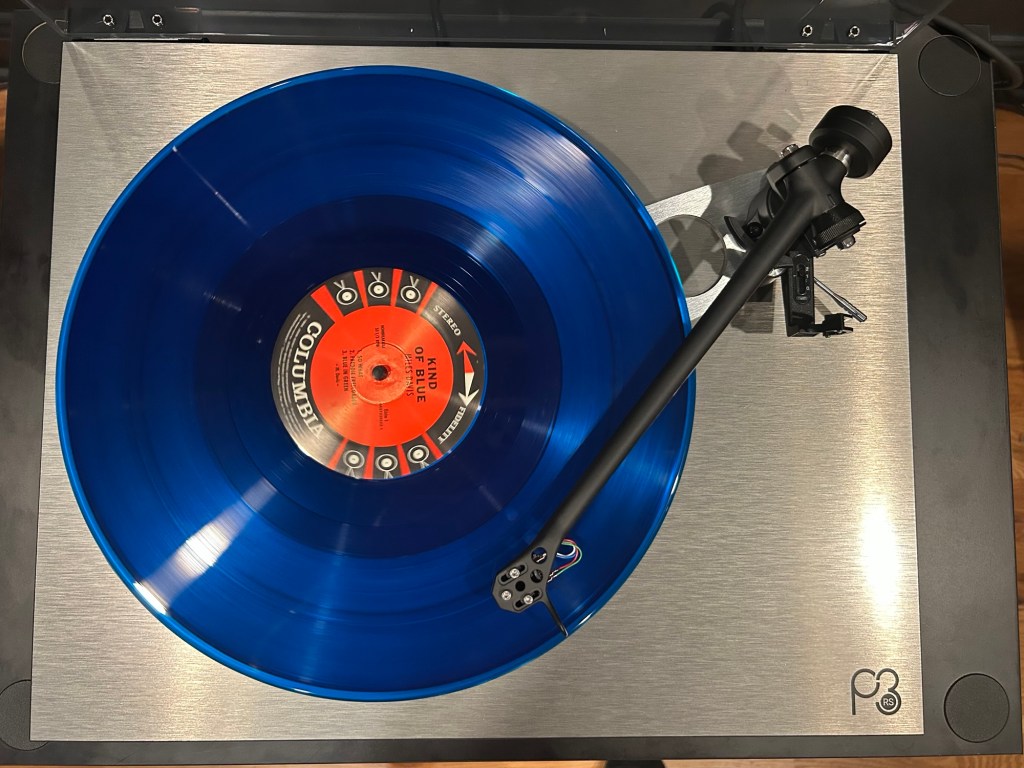
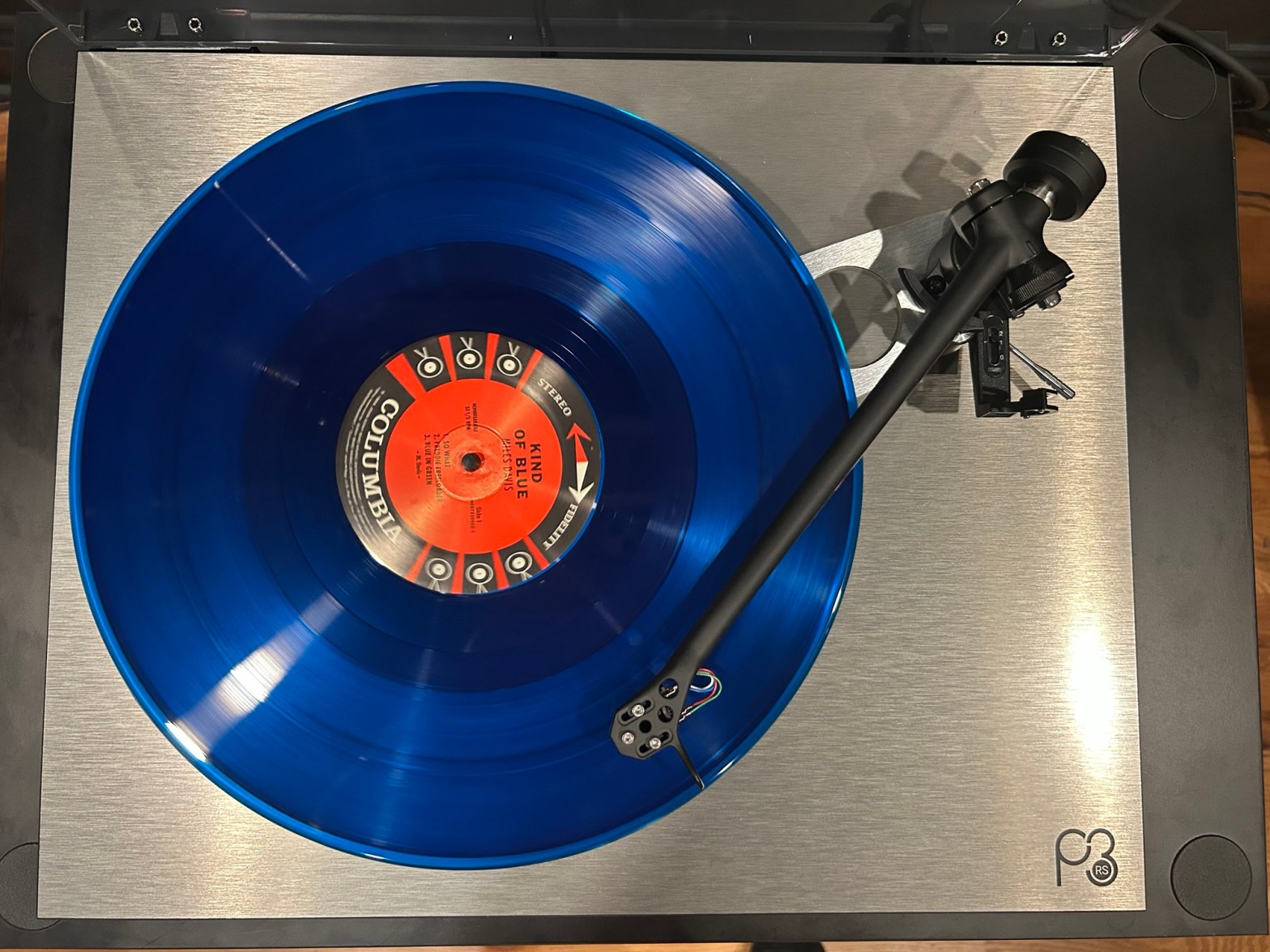
In the music business, 2015 represented a titanic shift. For the first time ever, sales of digital surpassed that of physical music. Digital bits were flying around the ether, populating people’s ears. The long playing album, the LP, was giving way to sound bites — and things would never be the same.
Young Billy Aukstik, trumpeter. An Illinois transplant to NYC — who dropped out of NYU’s Jazz Studies program at the behest of a classmate who had joined the Antibalas band. Aukstik had fallen into the realm and under the spell of the burgeoning Daptone Records crew.
Much to his parents’ amazement, Aukstik, at the tender age of 20, joined Daptone’s Charles Bradley on tour, and never looked back. Bradley, the “Screaming Eagle of Soul,” was so struck by the greatness of James Brown that he performed as a JB impersonator called Black Velvet.
Gabriel Roth, founder of Daptone, signed Bradley and in 2011, released his debut album, No Time for Dreaming. And beyond the smash success of Sharon Jones, Bradley was a growing commercial success for Daptone.
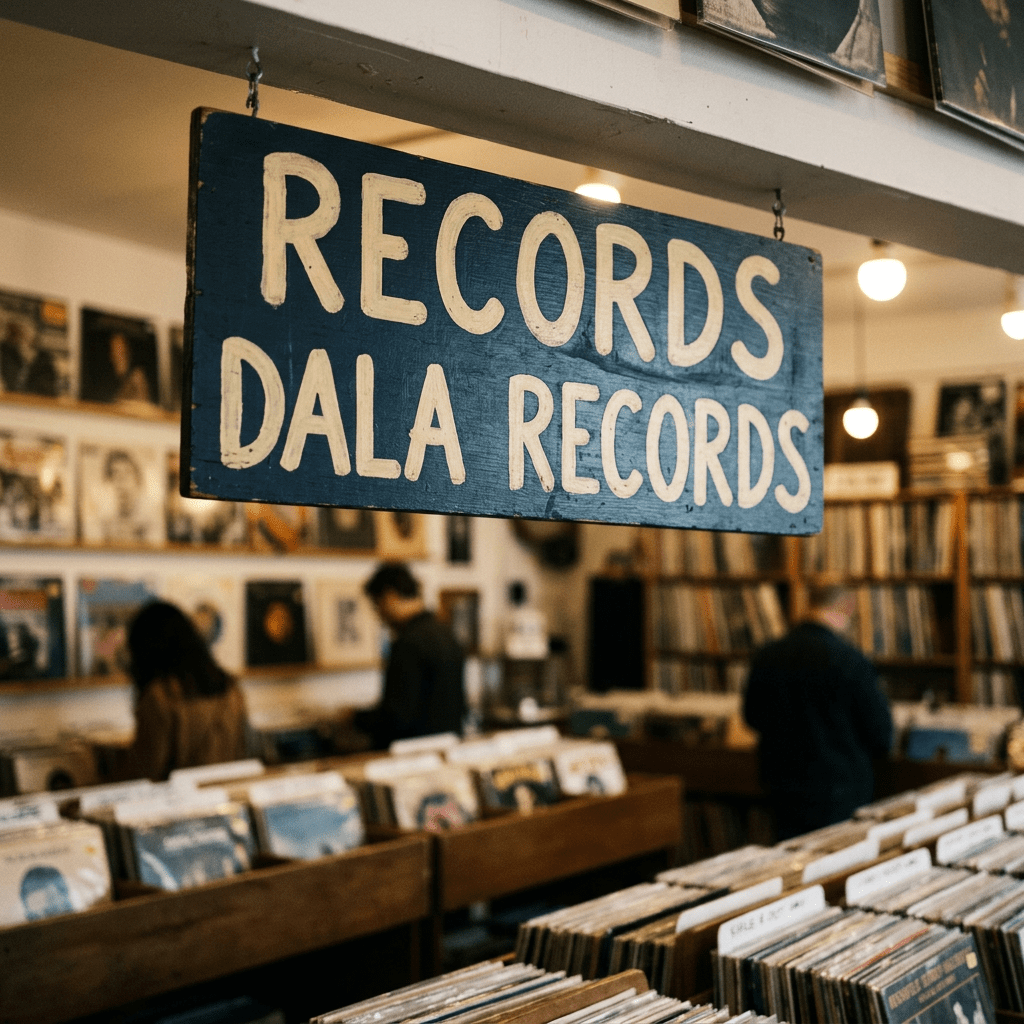
But enough about Daptone — this essay is about Dala Records.
Aukstik, living in the East Village at the time, set up a crude but fantastic analog studio in his apartment — a 4-track cassette machine, the kind of TASCAM “Portastudio” that turned daydreamers into analog producers.
Aukstik was smitten with what he had built. His network, fast expanding and deeply entwined now with the Daptone crew, offered him access to talent — talent often overlooked by the major labels.
Inspired by his parents ultimately giving him the rope he needed to quit NYU and chase his dream, he wanted to do the same with Artists that had something to say, but nowhere to say it.
The first record on Dala, John Fatum’s Locked Up in My Mind — a folk record, recorded in that very East Village studio, on that very 4-track machine — would set the mold for future label releases. No specific genre. Just artistry and feel, as perceived through young Billy Aukstik’s mind.
Aukstik called the label Dala — a contraction of his parents’ names, Dennis and Lori.
Dala’s mantra became “Soulful, not Soul” — and the recordings started to flow.
Take Bobby Harden. A lifelong New York hustler and gigging musician, who spent years singing in wedding bands with Sharon Jones back in the early oughts — before her own break ever came.
Billy met Harden at a screening of a documentary about Sharon Jones, at the Apollo Theatre . Bobby was there looking for someone to work with. What they made together, Billy told me, was Harden’s love letter to soul music.
That’s the through-line. Quality people. Real Artists. Side musicians with a song in their pocket that nobody else believed in. People stepping out — the way Billy himself once did, the way, maybe, Dennis and Lori Aukstik once let him do the same.
Dala Artists include: the aforementioned Bobby Harden & The Soulful Saints, Billy the Kid — Aukstik’s own recording alias, Camellia Hartman, Emily Rault, Gentle Nature, Georgia Lee Johnson, John Fatum, Kyle Lacy, Late Night Horns, Mel & Kim, Michael Harlen, Patrick Sargent, Raymond James Mason, Sarason, Steve Garvin, Sweet Megg — who you are listening to beneath this reading, The Hook Brothers, The Lonesome Prairie Dogs, The Rad Trads, and The Soulful Saints, Dala’s unofficial, but official house band, a semi-revolving cast of instrumental mercenaries.
This diverse roster — encompassed any and all genres. Genreless really.
Billy Aukstik, a NYC transplant building an all-analog label in an unforgiving commercial environment. Following his muse and delivering raw, honest music — soulful, but not soul.
You are listening to Labeled, episode 54, Dala Records. And for the next five hours, you will dive into the deep end of a label that could easily have never existed,. Except for the vision and execution of one man.
We are happy to have you listening.